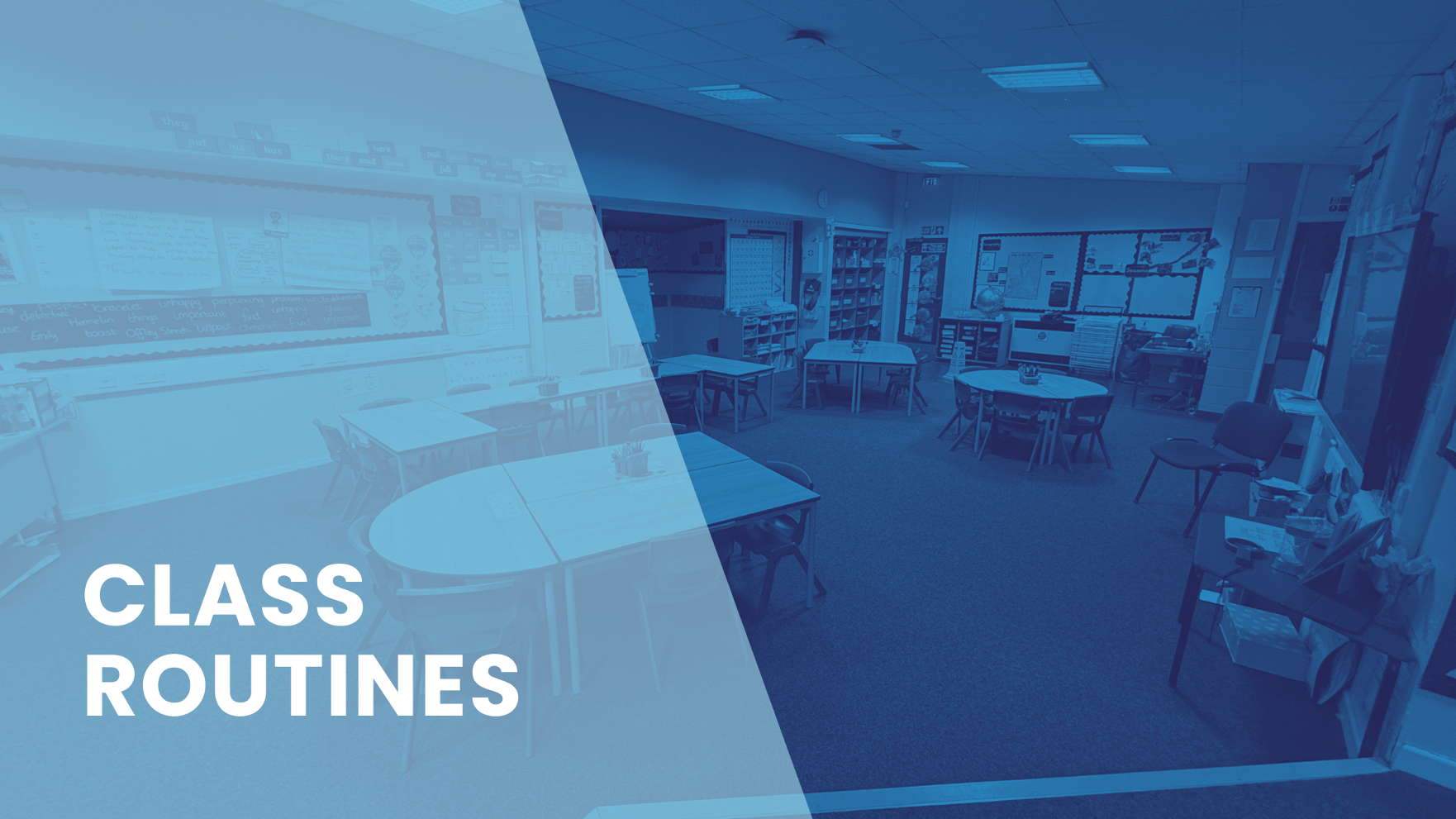
Our Classroom Routines
Mrs Rattenbury’s class has PE lessons every Tuesday afternoon, while Miss Wood’s class has PE lessons every Wednesday afternoon.
Reading books are changed on Fridays, and reward charts are stamped for each signed reading comment to celebrate regular reading at home.
Newsletters
Class newsletters are sent home half-termly. These provide an overview of what your child will be learning during the half term, as well as highlighting any important dates for your diary.

|
Spring 2 Newsletter 2026 | [pdf 1MB] |

|
|
|
Spring 1 Newsletter 2026 | [pdf 1MB] |
|
|
|
Autumn 2 Newsletter 2025 | [pdf 1MB] |
|
|
|
Autumn 1 Newsletter 2025 | [pdf 1MB] |
|

Homework
At Hodge Clough, all areas of the curriculum are important. This half term we would like you to choose a minimum of two activities from the list below as your homework tasks. We hope this style of homework will encourage everyone to take part and give family members a chance to become more involved in working with their children on fun, creative and exciting activities.
This half term we would like you to choose a minimum of 2 activities from the list below, as your homework tasks. We hope that this style of homework will encourage everyone to take part and also give family members a chance to become involved in working with their childrenon fun, creative and exciting activities. These can be shared in school on a Friday or a photo shared on Dojo. You can show us and celebrate your work either by evidencing it in your homework book or by sharing it to your class dojo portfolio. Responses can be in the form of photographs, art work, writing etc. Where the use of Class Dojo is not possible, pupils may bring evidence of their learning in homework books. We are hoping that by giving everyone choices, a selection of activities will be completed by pupils with support from family members. Homework tasks will be recorded and monitored and teachers will speak to parents if children are not engaging in home learning tasks.
History: What were toys like in the past? Create a list of questions to ask a grown up about the toys they played with when they were young. For example: What do you remember most about the toys you played with? What were the toys made from? How were your toys different to toys I play with now?
Interview a grown up to find our all about the toys they played with when they were younger.
Geography: Can you find out where you live? Do you know your address? Can you find your street on google maps and plan your route to school?
Science: Draw some objects from your house and label the materials they are made from.
ICT: Use the following link: https://paintz.app/ to create a digital picture of what you can see from your house. Can you add text to your picture to label the things you can see?
Writing: We have been reading the story ‘The little Red Hen’ can you draw and write about your favourite part of the story?
Art: In art we have looked at the artist Paul Klee and how he used shapes to create his artwork. Can you create your own shape picture and colour or collage the shapes you have drawn?
Maths: NumBots
Please use your child’s NumBots login to access our school’s maths homework app.
What is NumBots?
NumBots is an online maths learning platform that helps children learn how to add and subtract, improving their fluency and recall in basic mental maths, and equipping them with maths confidence. NumBots covers subitising, number bonds, and addition and subtraction of double-digit numbers; gradually helping your pupils to build a solid conceptual understanding of number sense.
Logging in
NumBots is accessible via browser (play.numbots.com) or via the app, which is free to download on Amazon, Android and Apple devices.
Geography: Can you find out where you live? Do you know your address? Can you find your street on google maps and plan your route to school?
Phonics
During the Summer term children will take a phonics screening check. The check is to confirm whether individual children have learnt phonic decoding to an appropriate nationally expected standard. The checks consist of 40 words, some real and some nonsense words, that your child will be asked to read one-on-one with a teacher. This will take up to 10 minutes, the children will not know they are being ‘tested’. Please click on the PDF for information which you may find useful.
|
|
Phonics Screening Check - Guide for Parents | [pdf 47KB] |
|
Recommended Reads
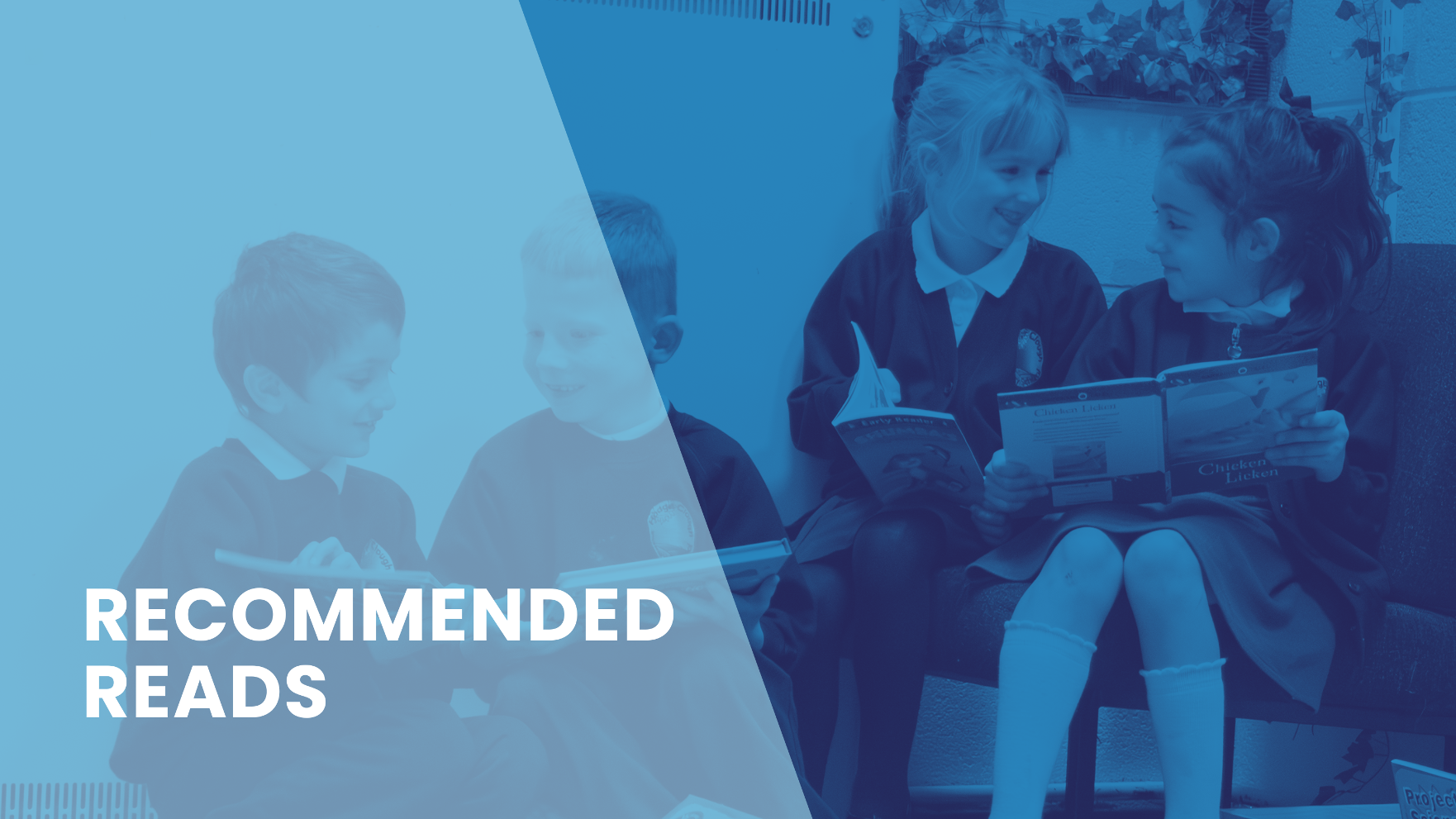
We read to learn, to laugh, and to see the world through new eyes. Explore our hand-picked reads below, then curl up at home and enjoy them together—little and often makes a big difference!T hese are the stories, poems, and information books we love and recommend for Year 1.
Essential learning in Year 1
At Hodge Clough Primary, pupils are assessed against end-of-year age-related expectations in maths and English. These expectations, in line with the National Curriculum, set out the minimum requirements a learner must meet in order to ensure continued progress throughout the year, in line with age expected standards
The New Curriculum places a strong emphasis on ensuring children develop a broad understanding of the concepts and skills they learn. The application of skills and understanding across a wide range of curriculum areas is key. Rather than moving ‘up’ the stages, the focus is on moving ‘outwards’ developing a deeper understanding.
|
|
Phonics Screening Check - Guide for Parents | [pdf 47KB] |
|
|
|
Year 1 & 2 Common Exception Words | [pdf 460KB] |
|
|
|
Year 1 - End of Year Expectations | [pdf 164KB] |
|