Science at Hodge Clough Primary
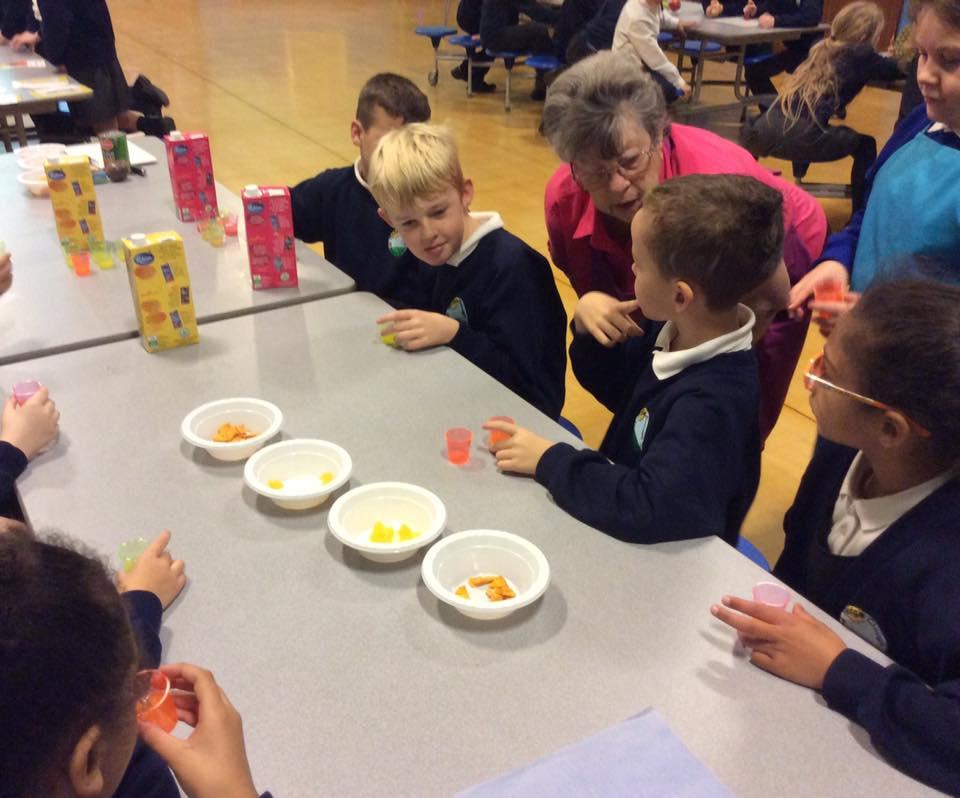
At Hodge Clough, we recognise the importance of science in everyday lives. Learning in science prioritises the children's knowledge and understanding of the world. Children are encouraged to explore their curiosities and use their enquiry skills to answer key questions. We aim to develop the confidence in children to question a process or theory. We try to expose the children to a wide range of vocabulary to develop their knowledge and understanding.
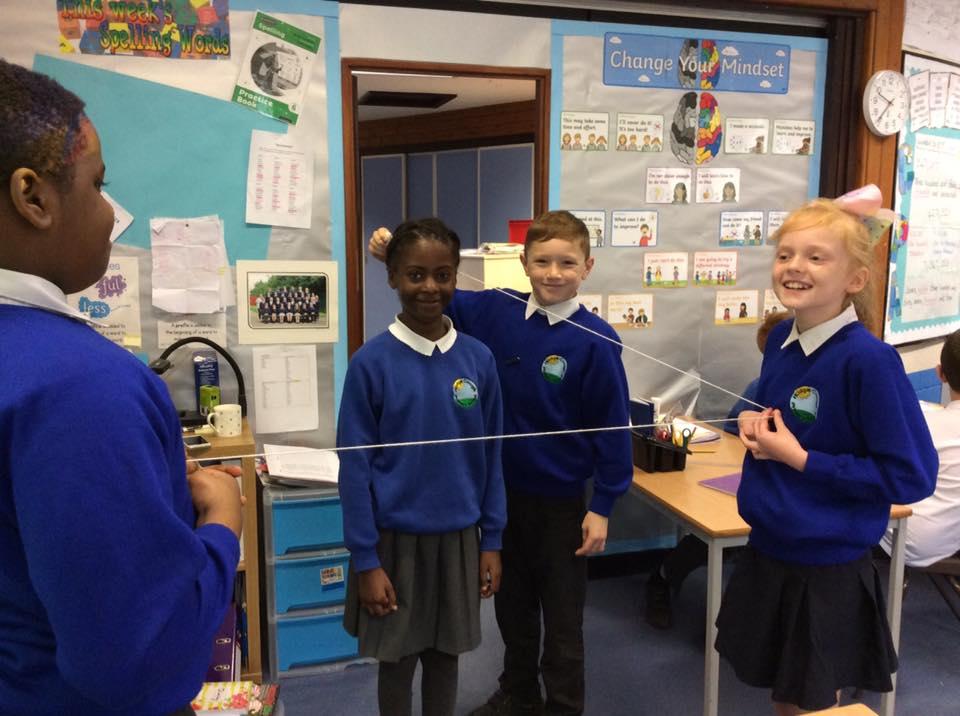
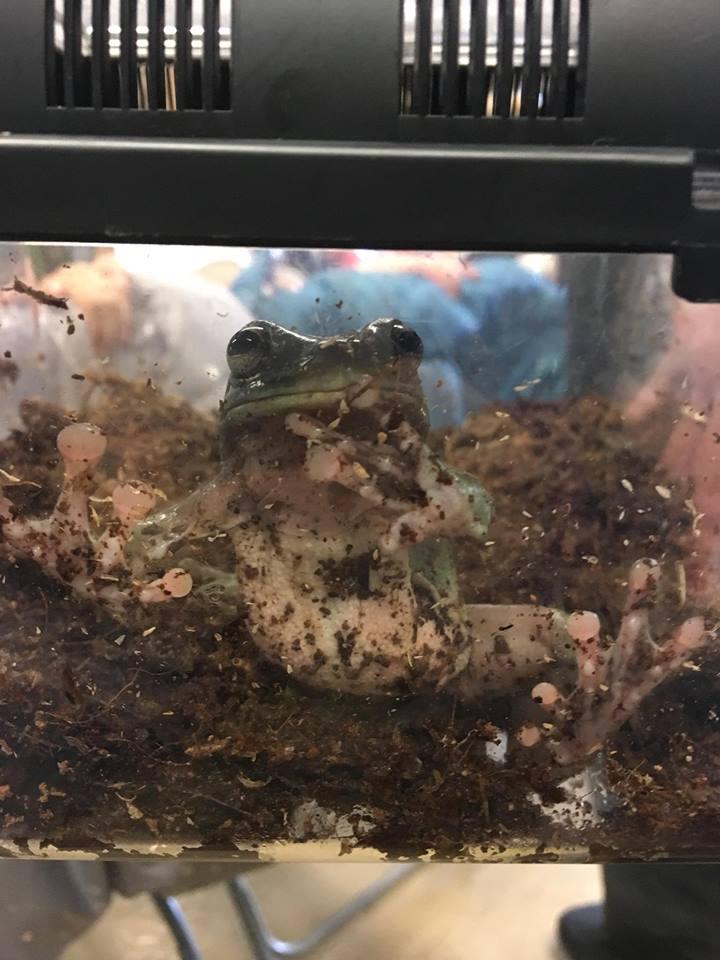
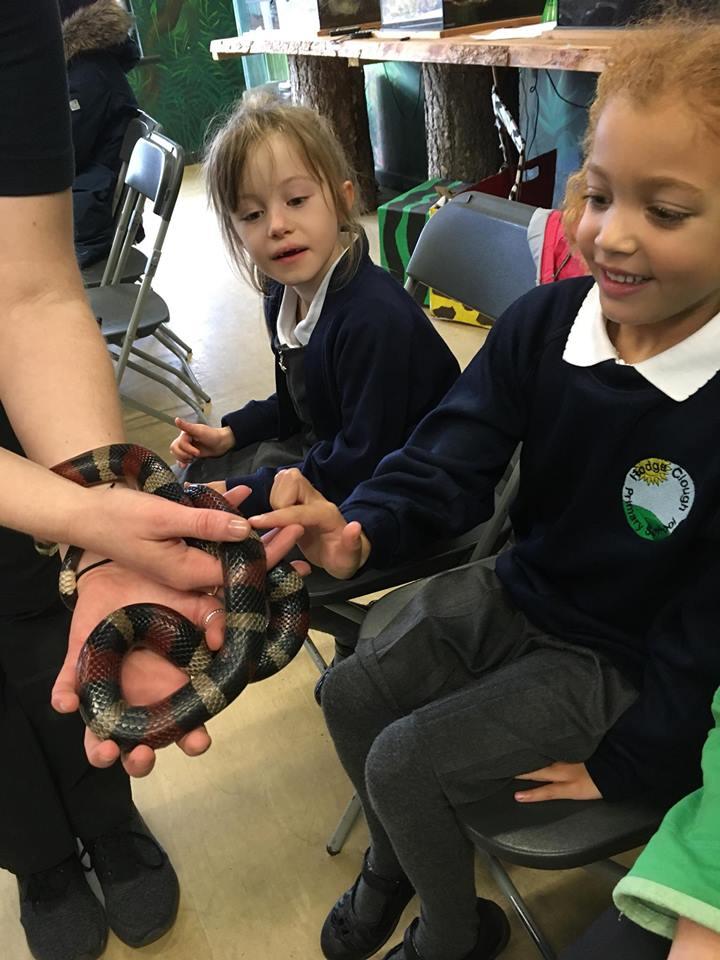
Science week takes place each year and children always love it. We enjoy a science show and complete whole school challenges and quizzes to complete at home to allow families to share learning with their children. We also have a day where children are invited to come to school dressed as a scientist which they all love!

|
Science-vocabulary | [pdf 215KB] |

|
What good scientists look like at HCP
At Hodge Clough, a good scientist is someone who:
- has the ability to think independently and raise questions about working scientifically and the knowledge and skills that it brings
- is confident in the full range of practical skills
- plans and carries out scientific investigations
- has excellent scientific knowledge and understanding which is demonstrated in written and verbal explanations, solving challenging problems and reporting scientific findings
- high levels of imagination in the application of skills
- has the ability to undertake practical work in a variety of contexts, including fieldwork
- has a passion for science and its application in past, present and future technologies
The Science National Curriculum has three main aims:
- Observations
- Pattern seeking
- Identifying, classifying and grouping
- Comparative and fair testing
- Research using secondary sources
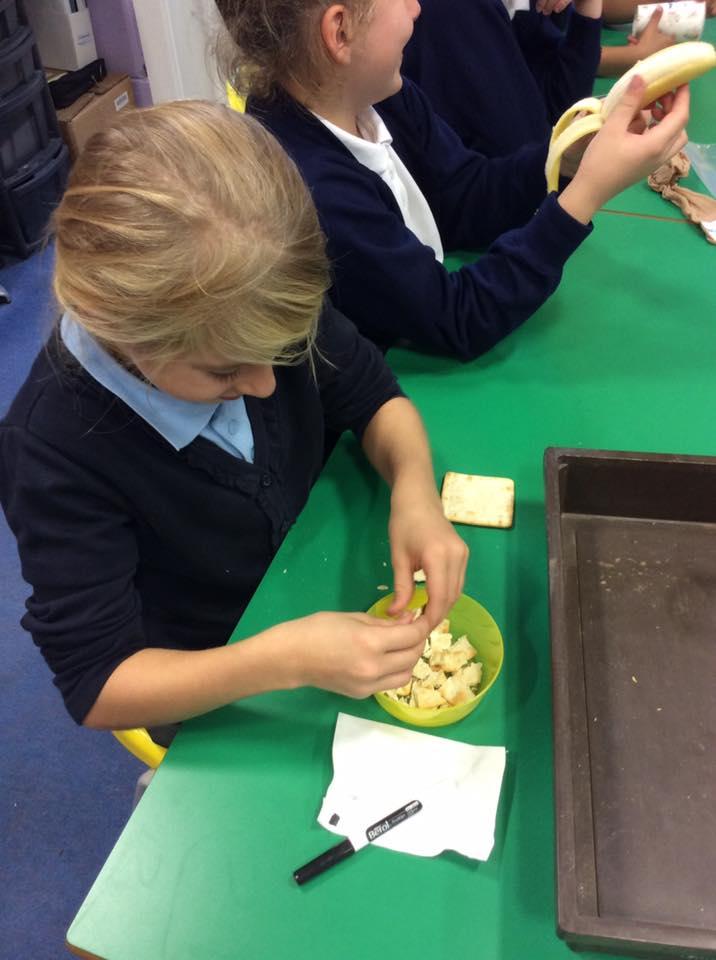
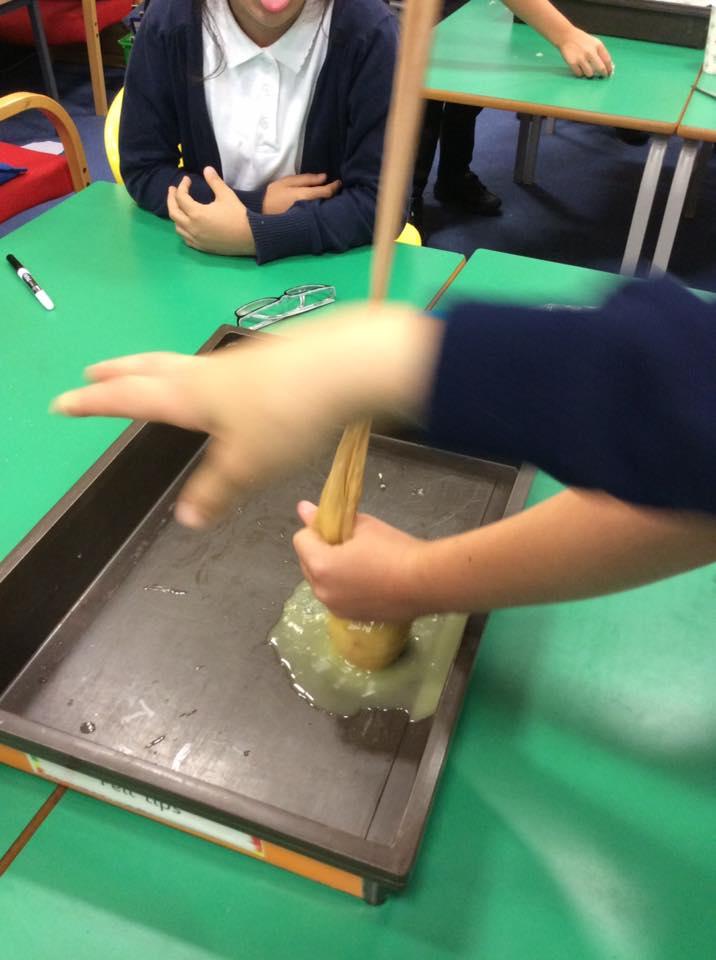
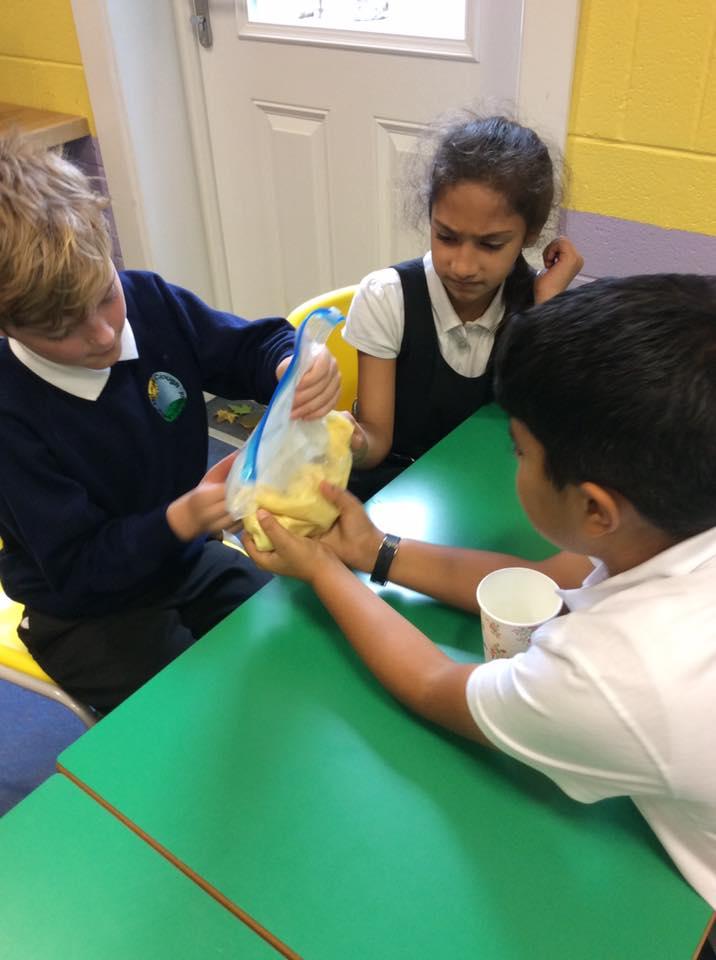
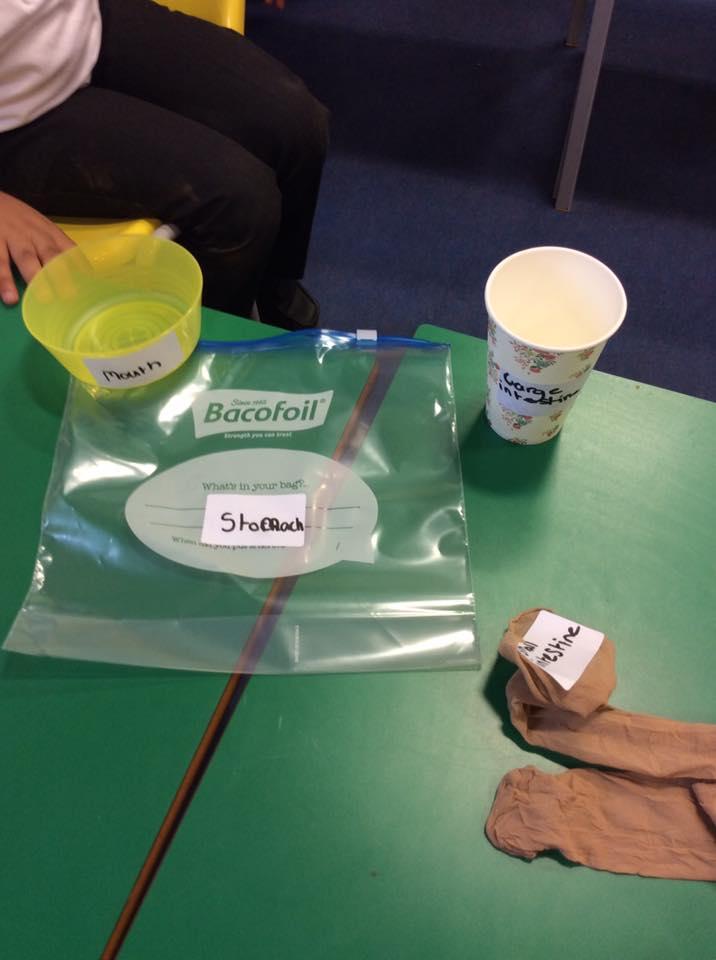
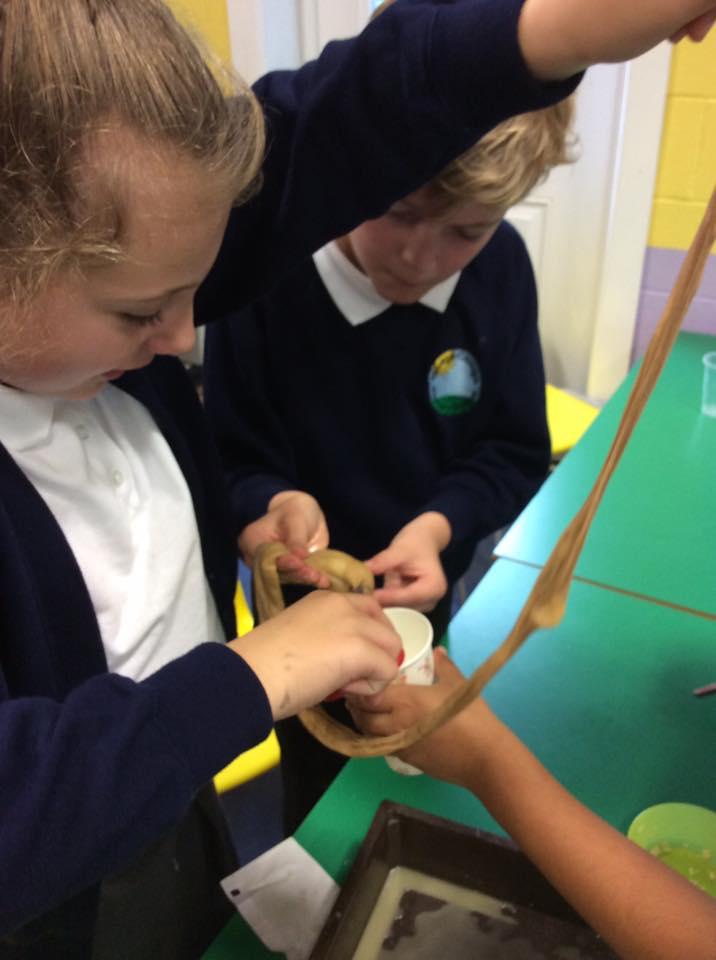
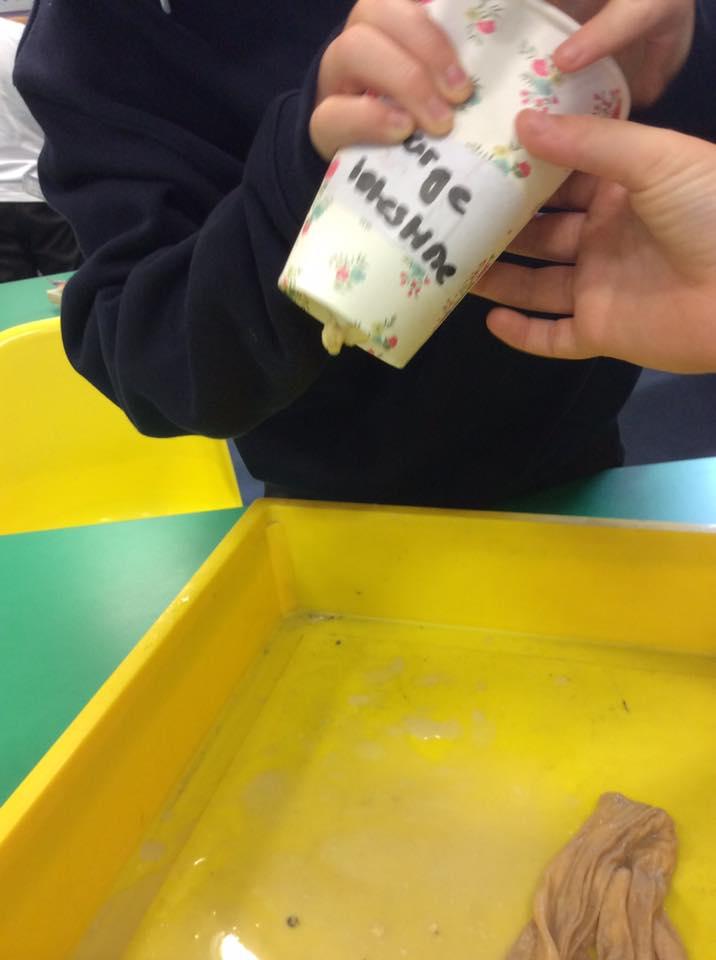
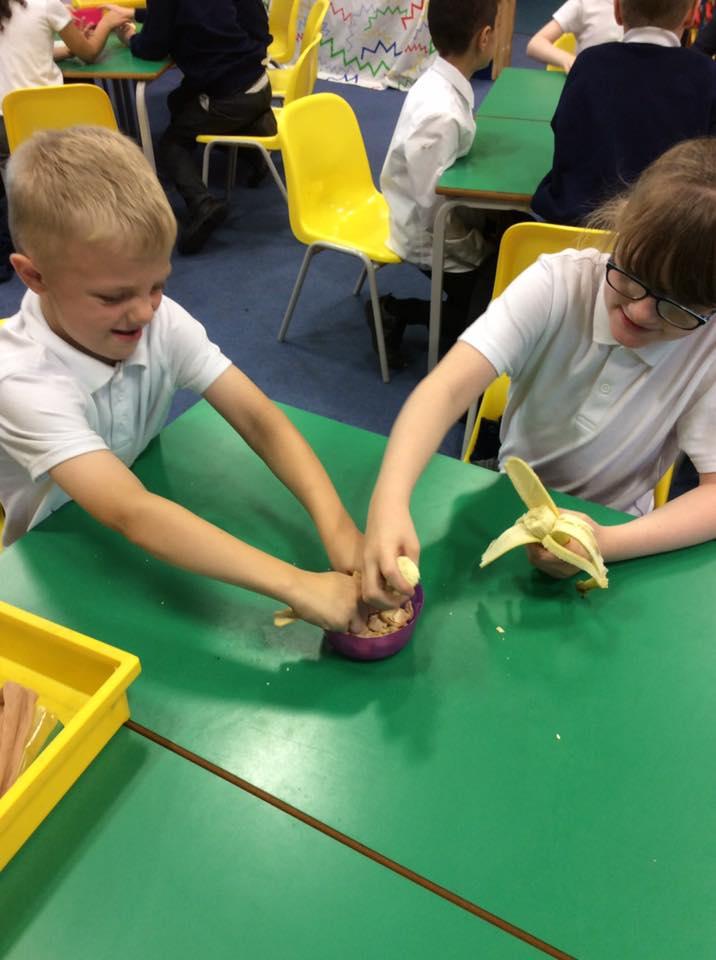
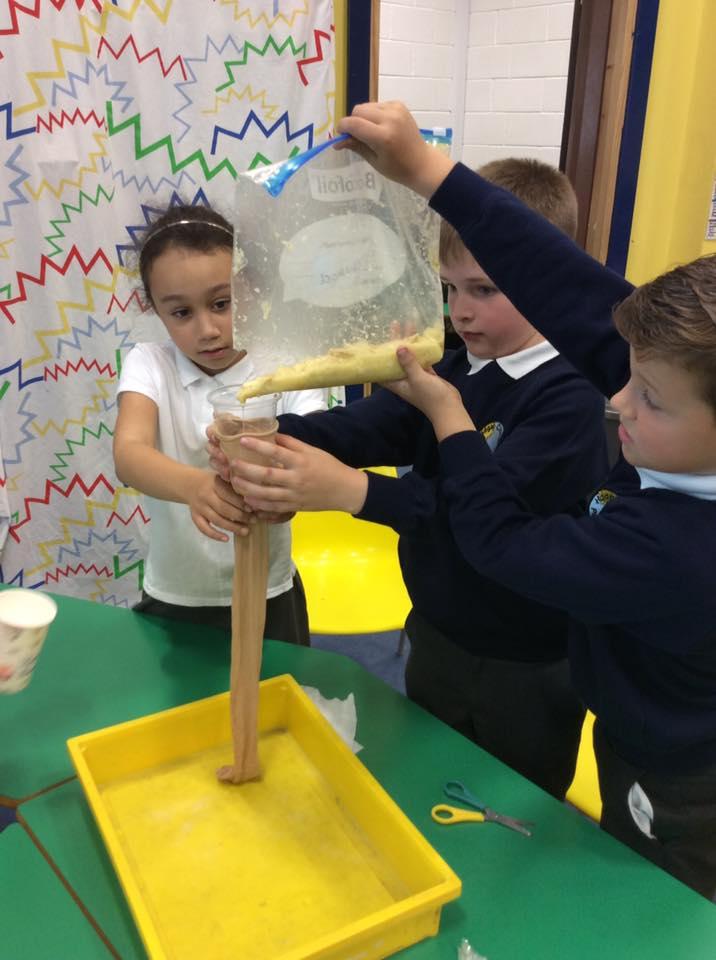


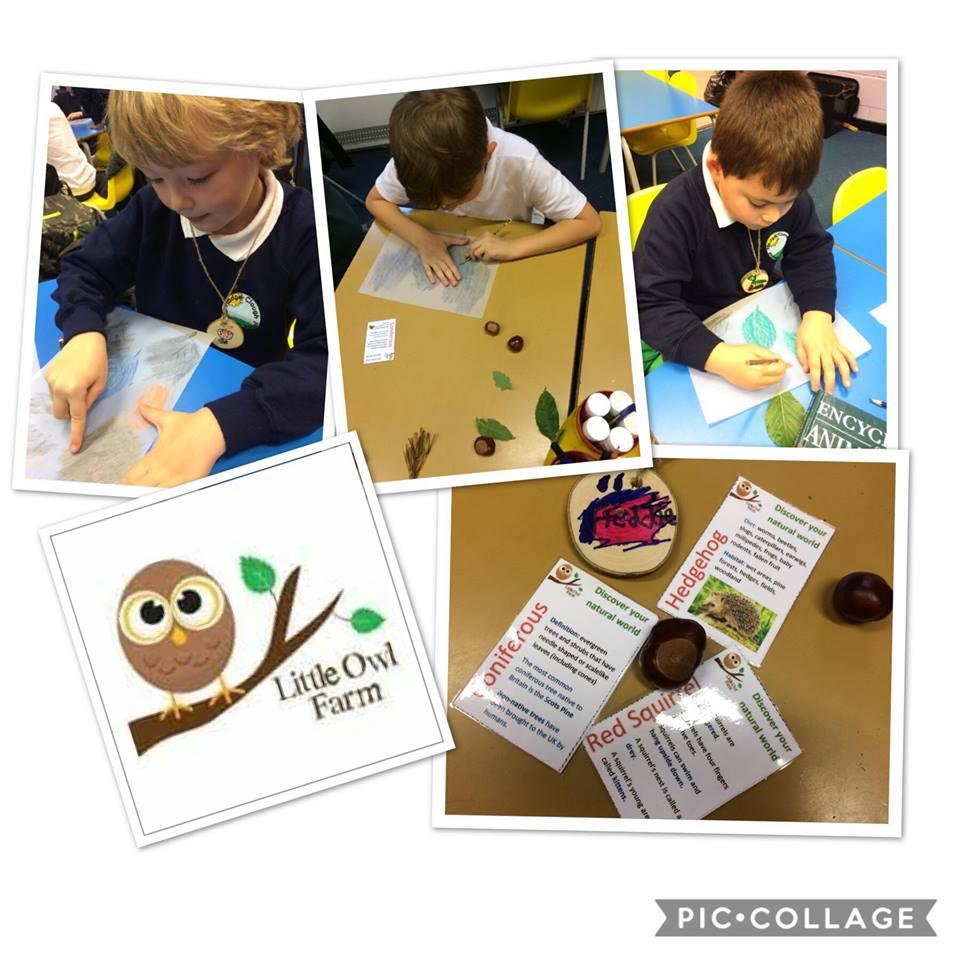
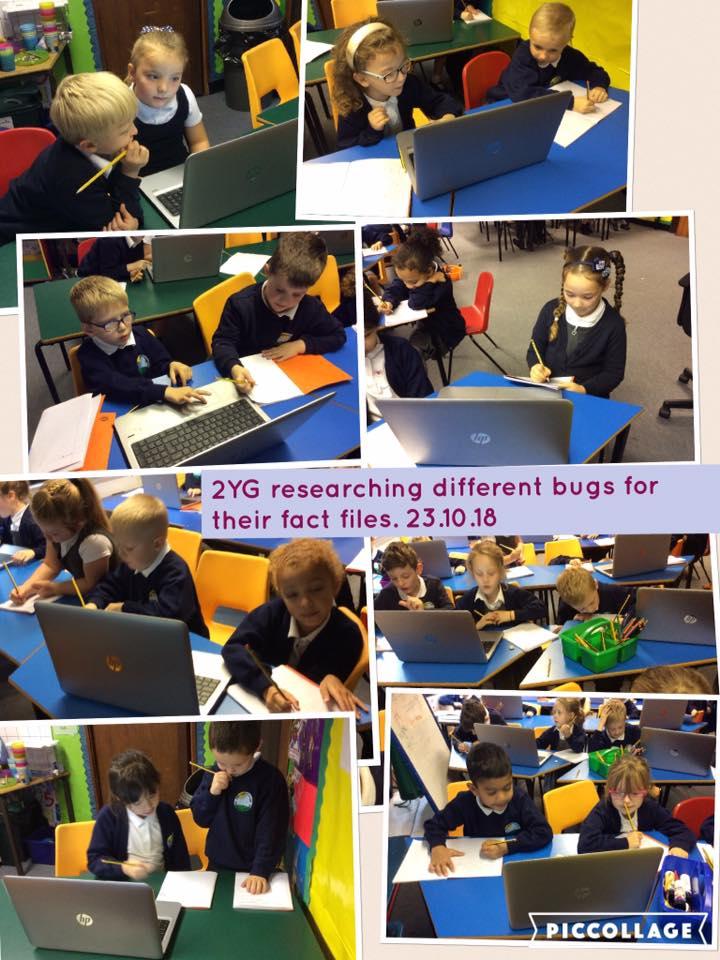
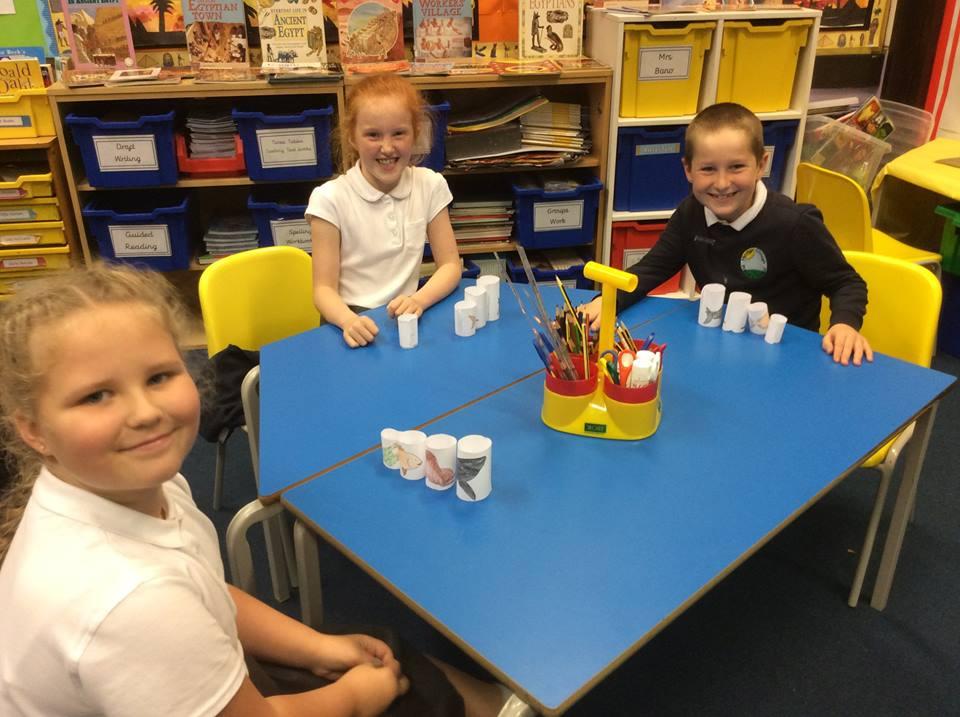
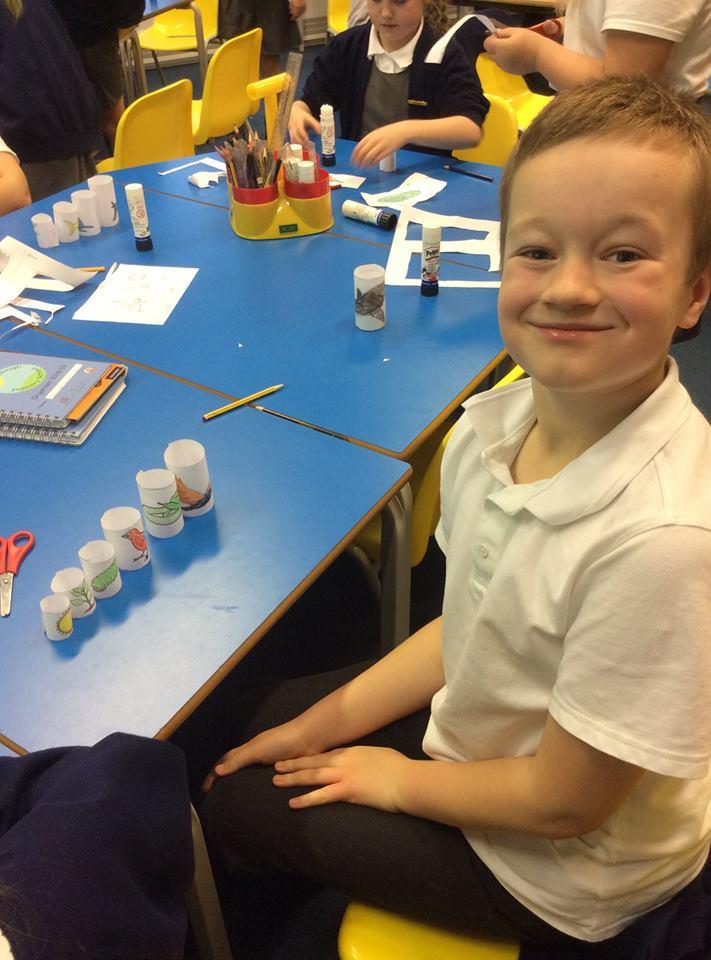
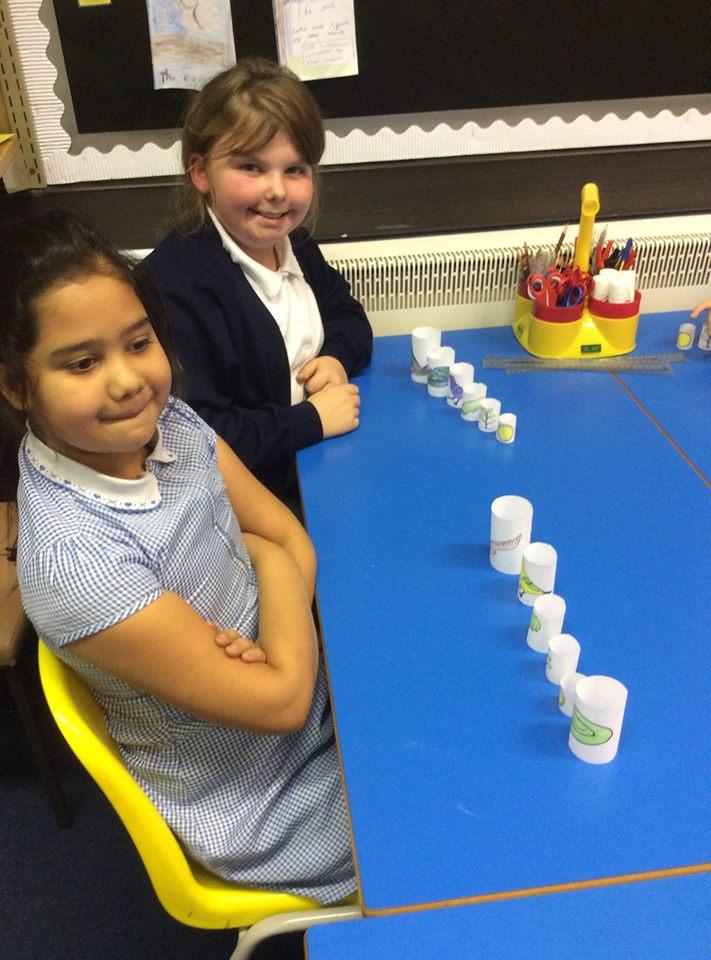

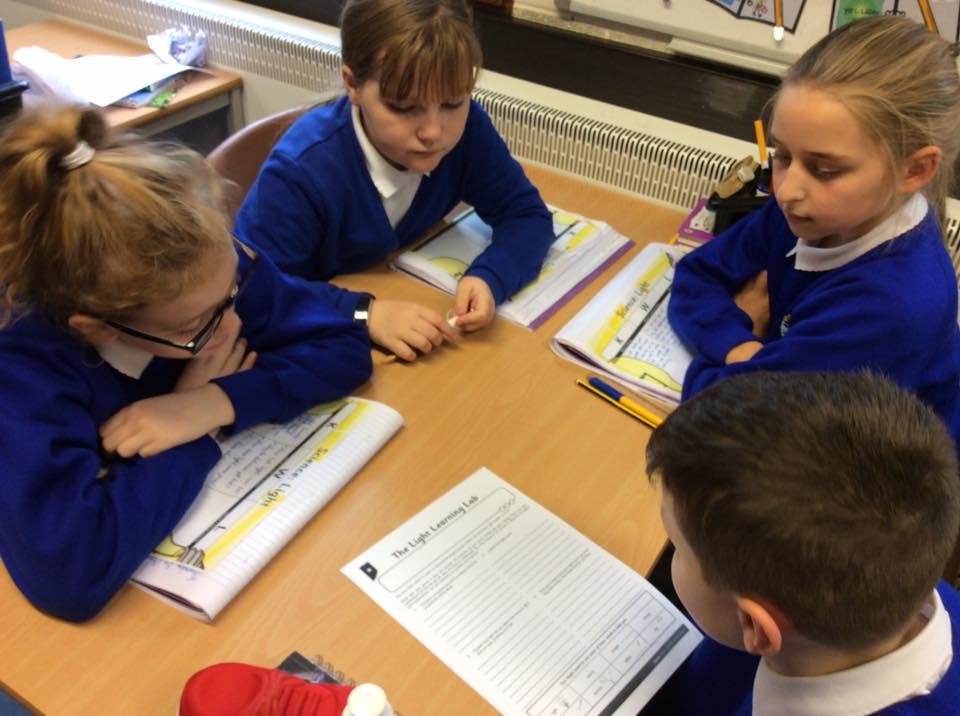
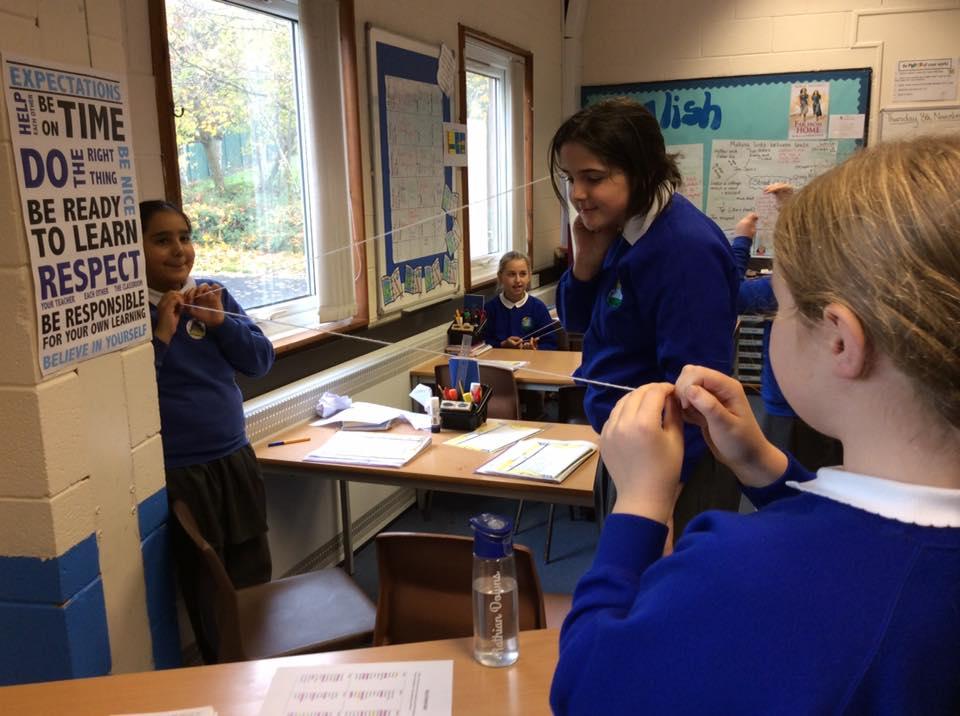
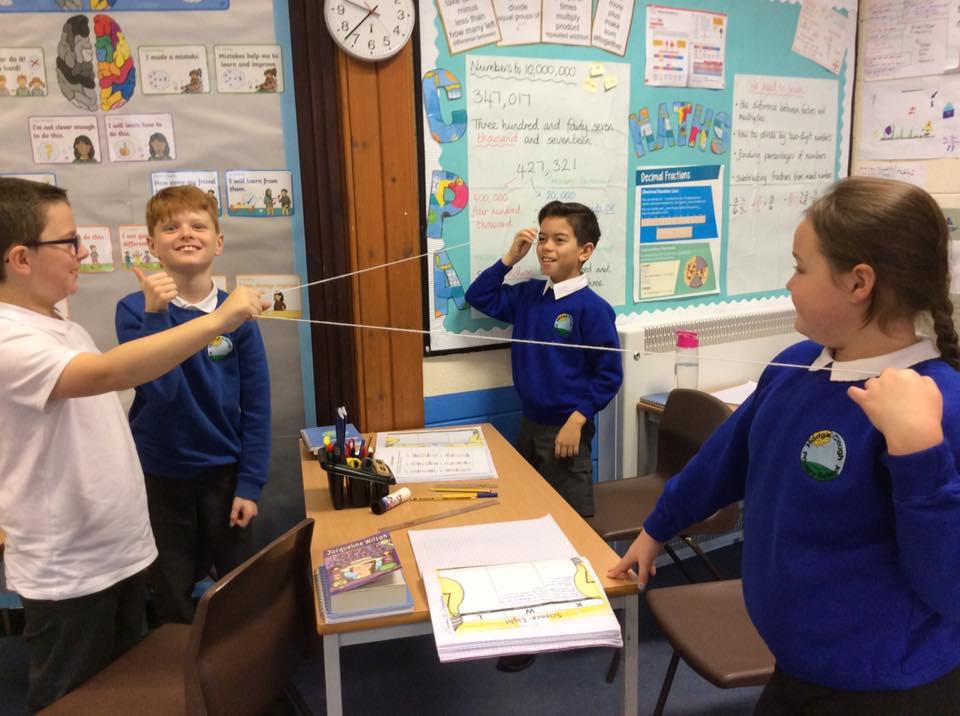
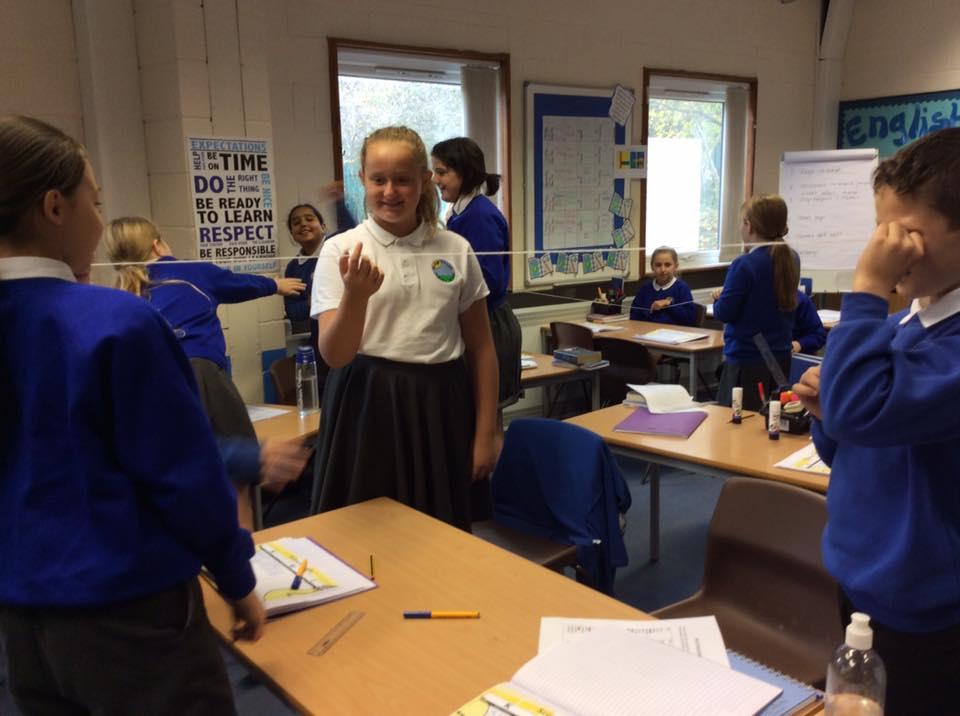

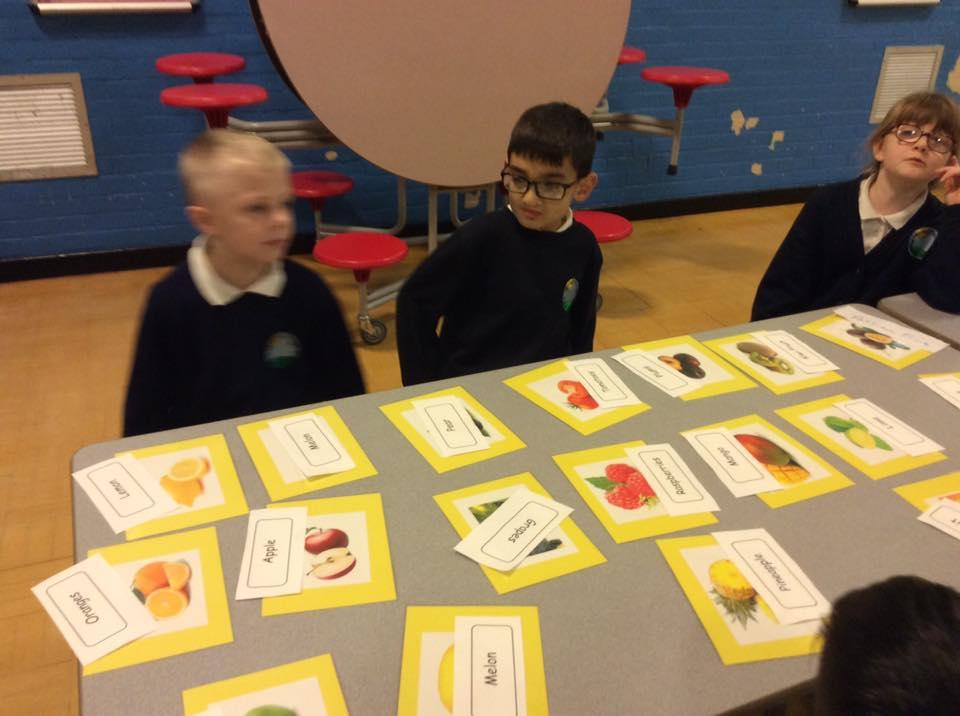
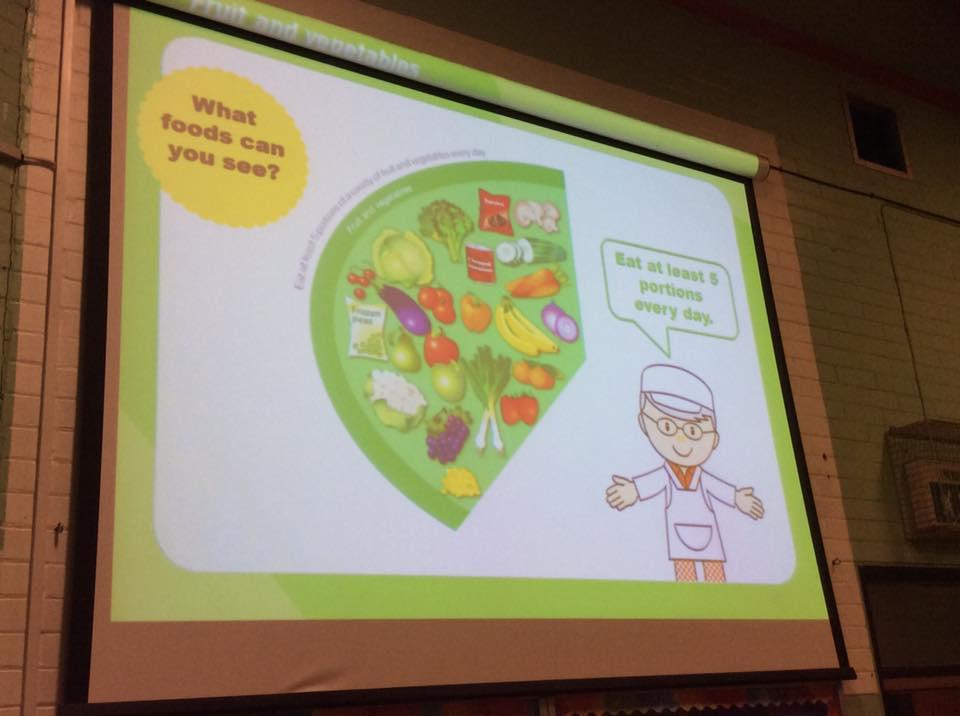

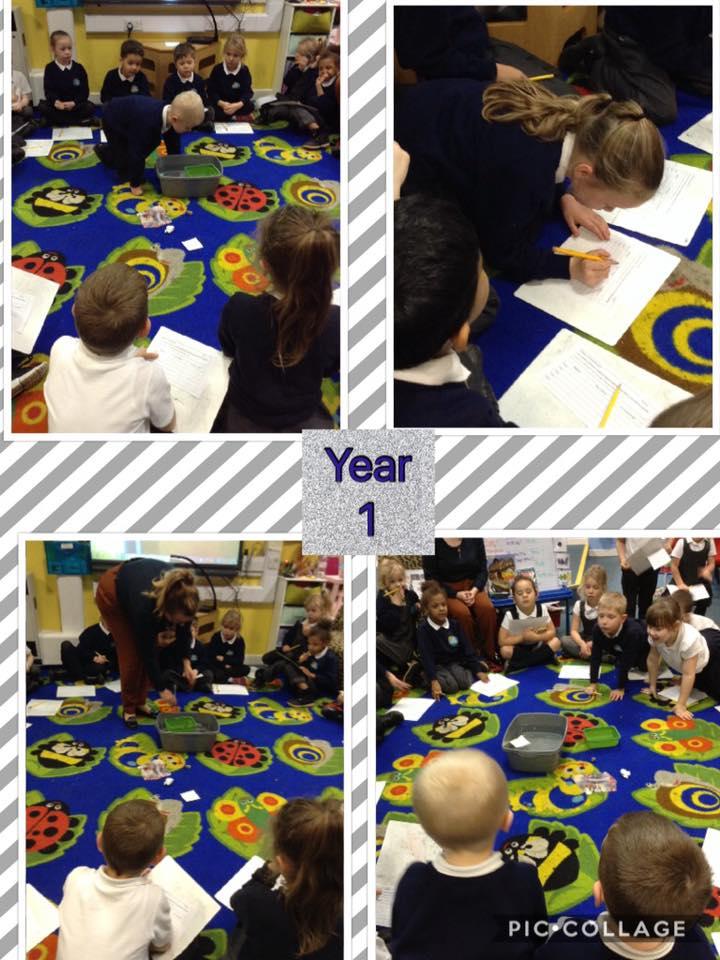
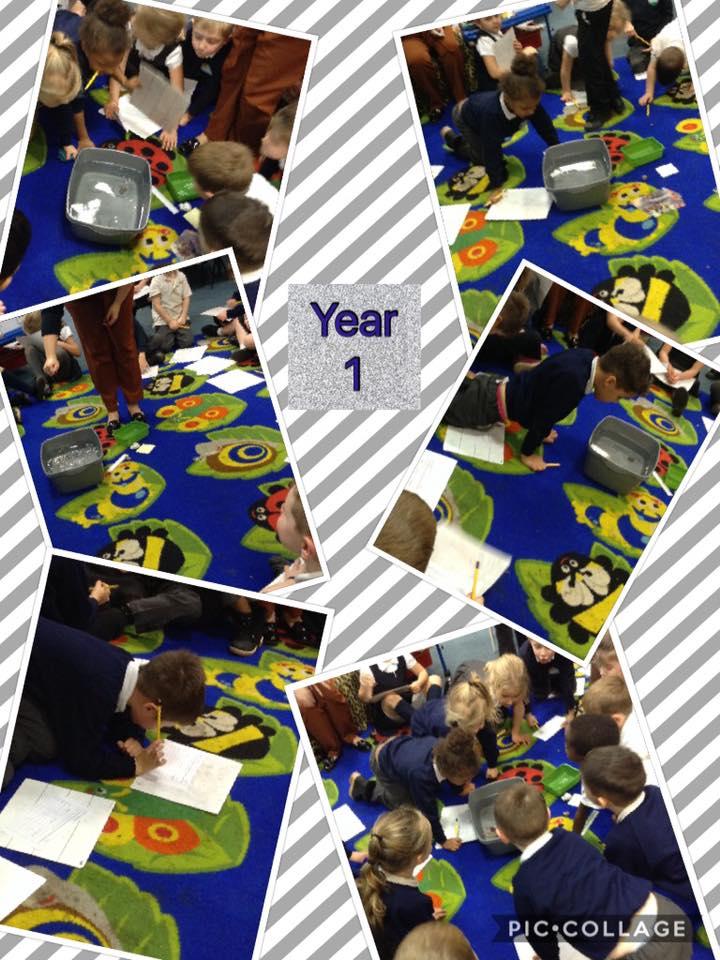
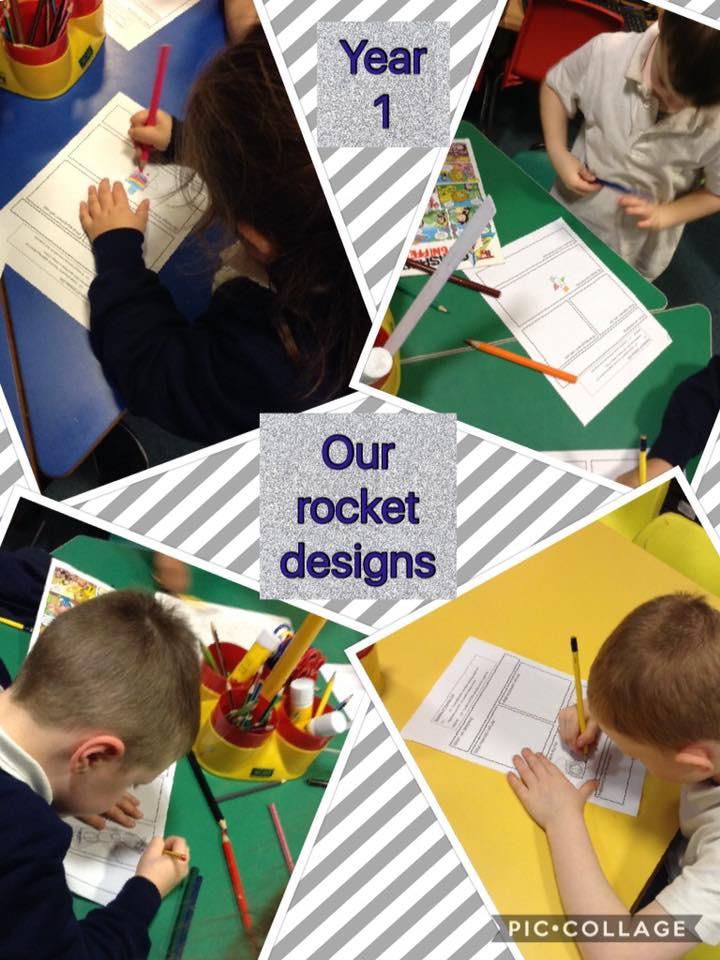
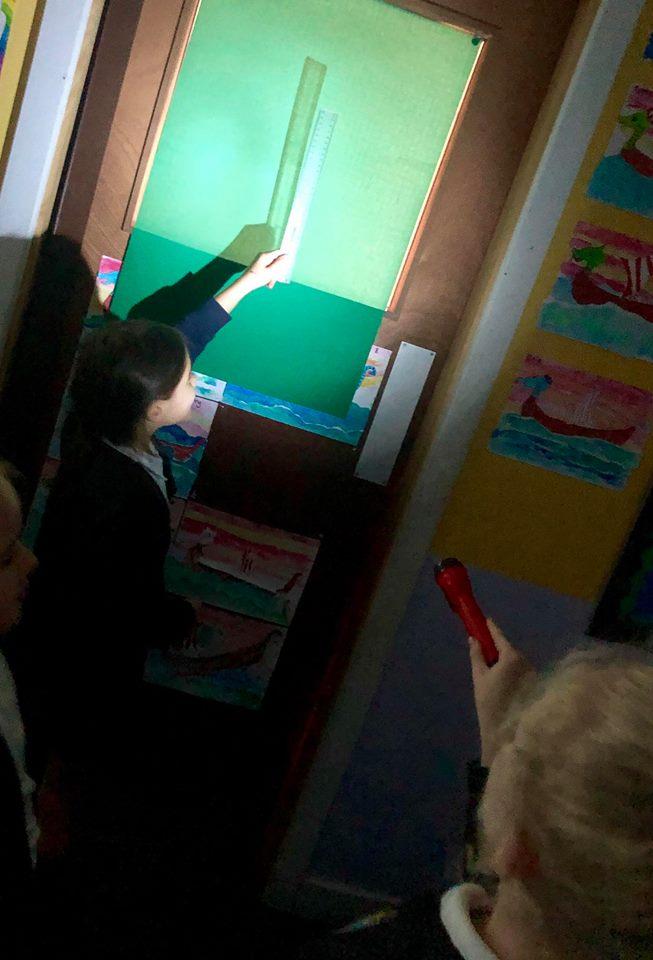
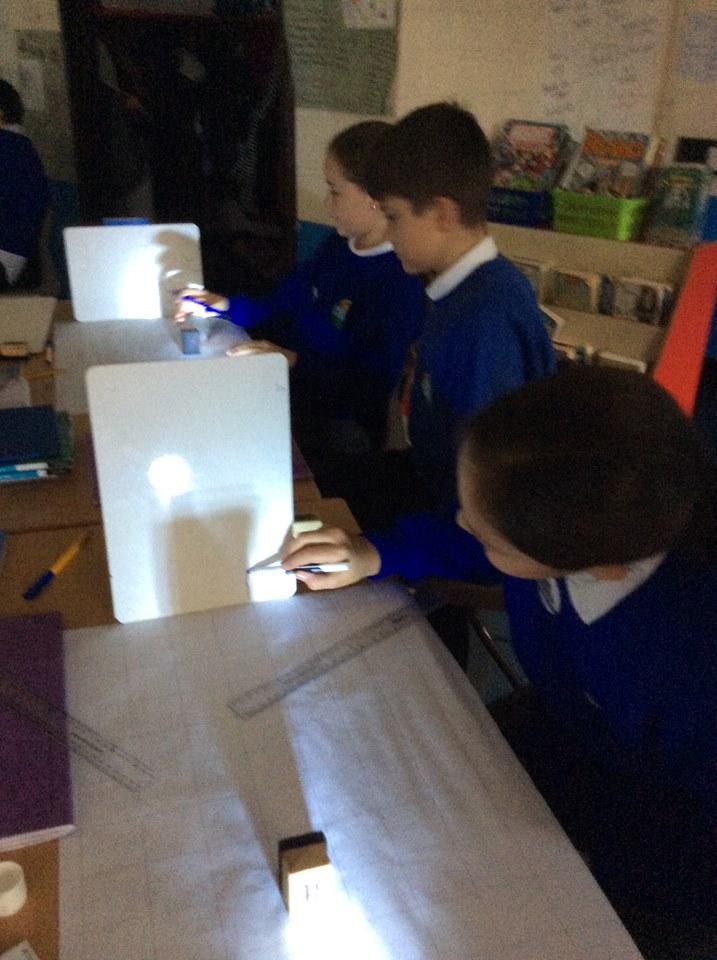
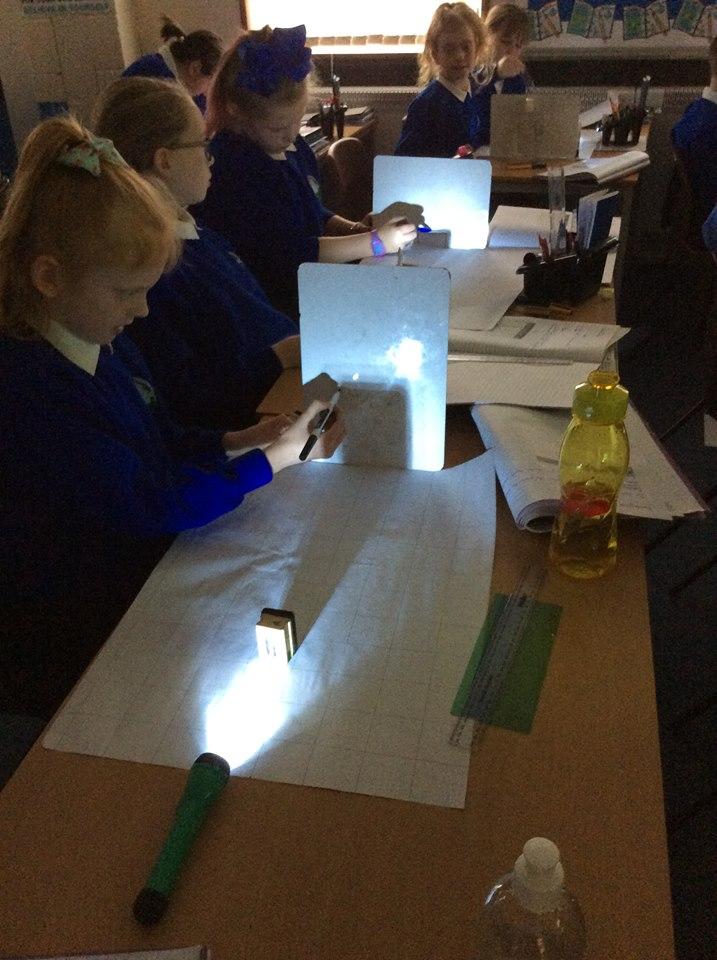
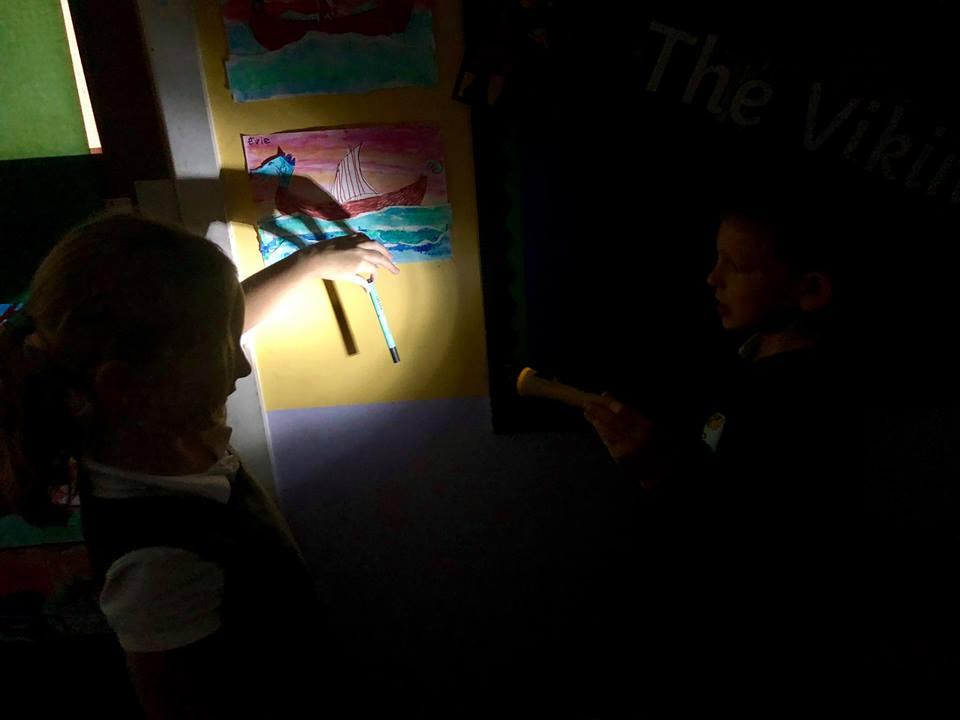
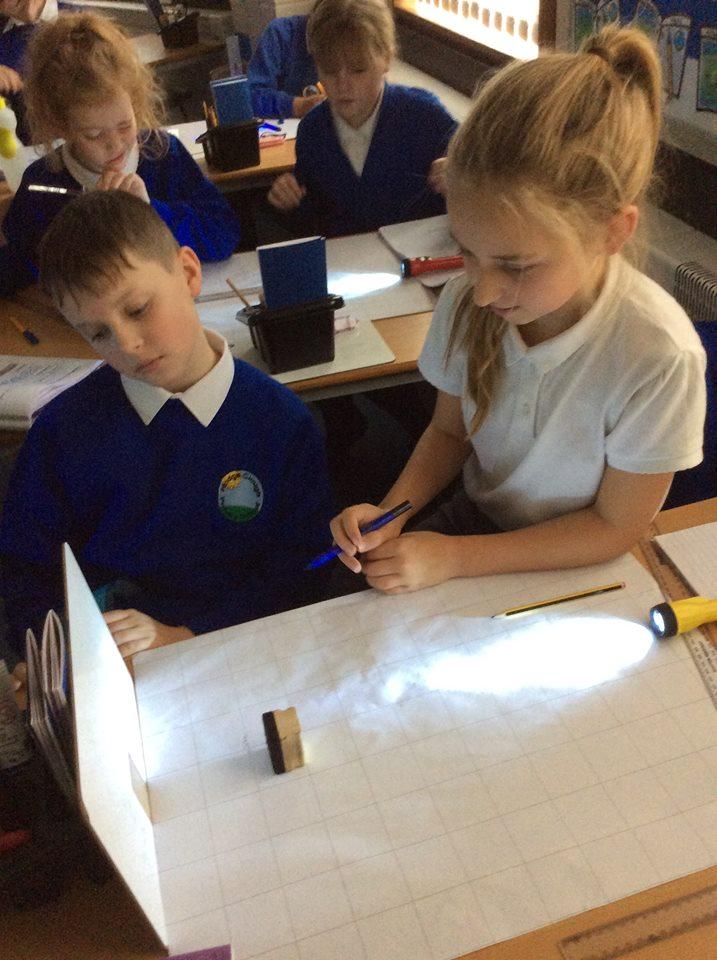
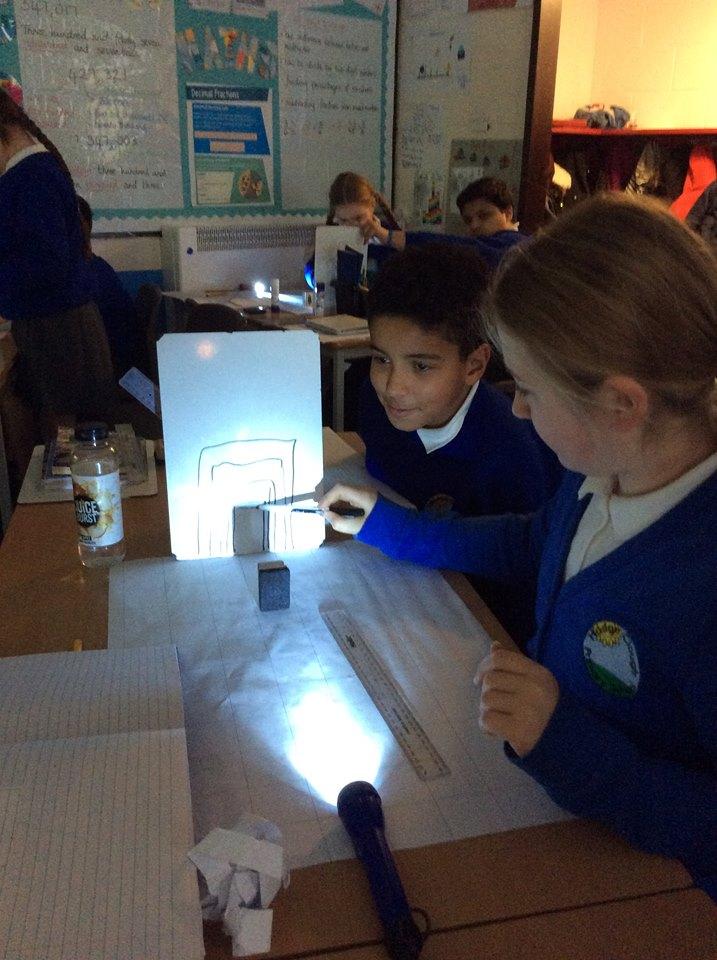
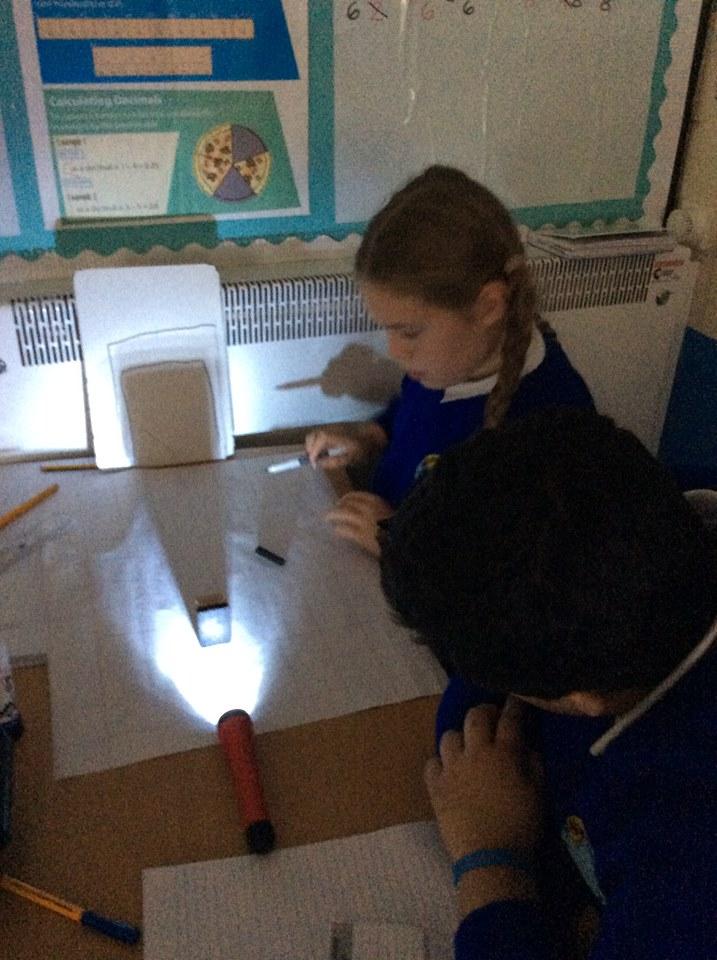
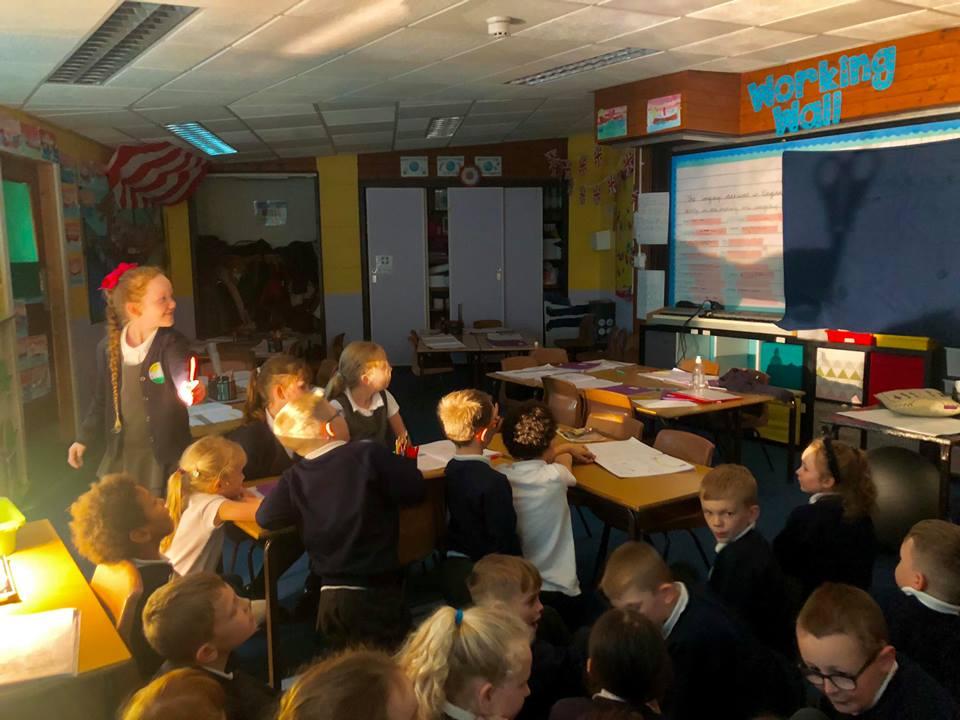
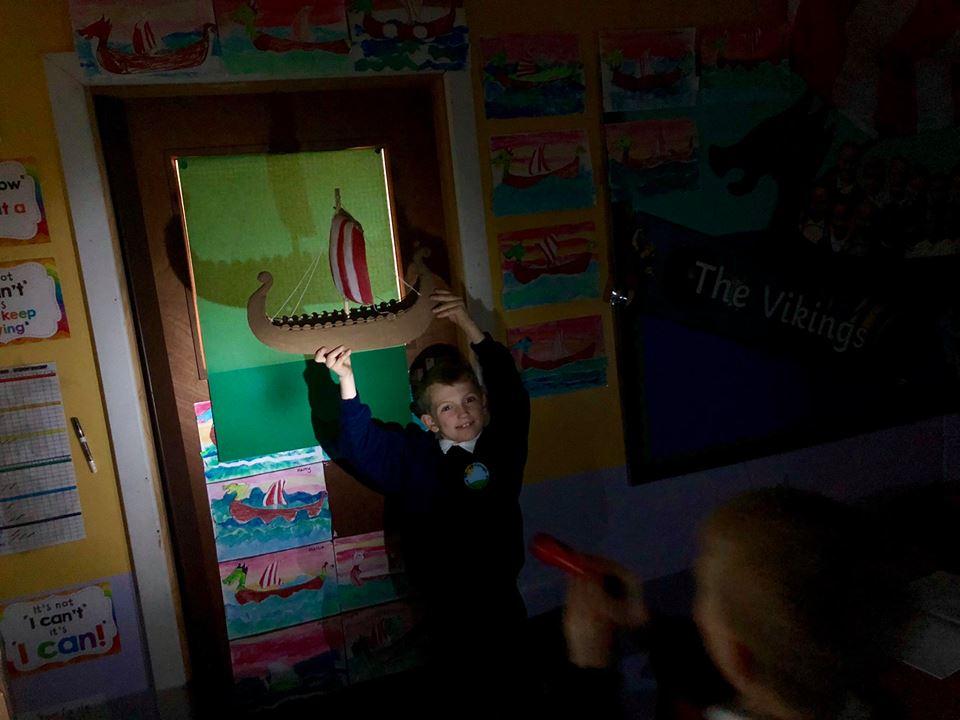
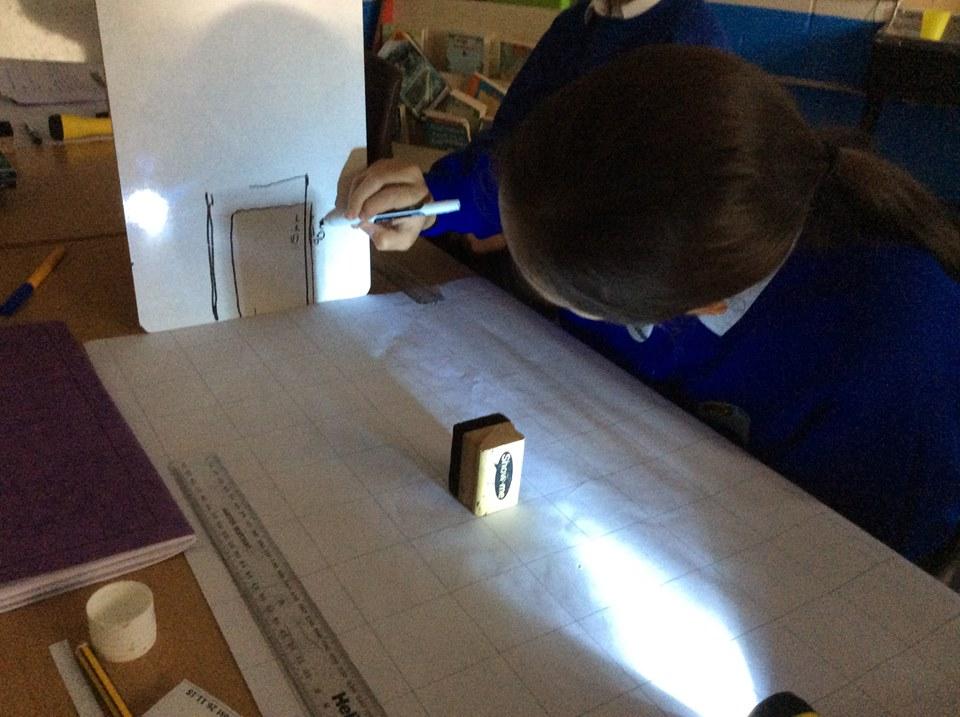
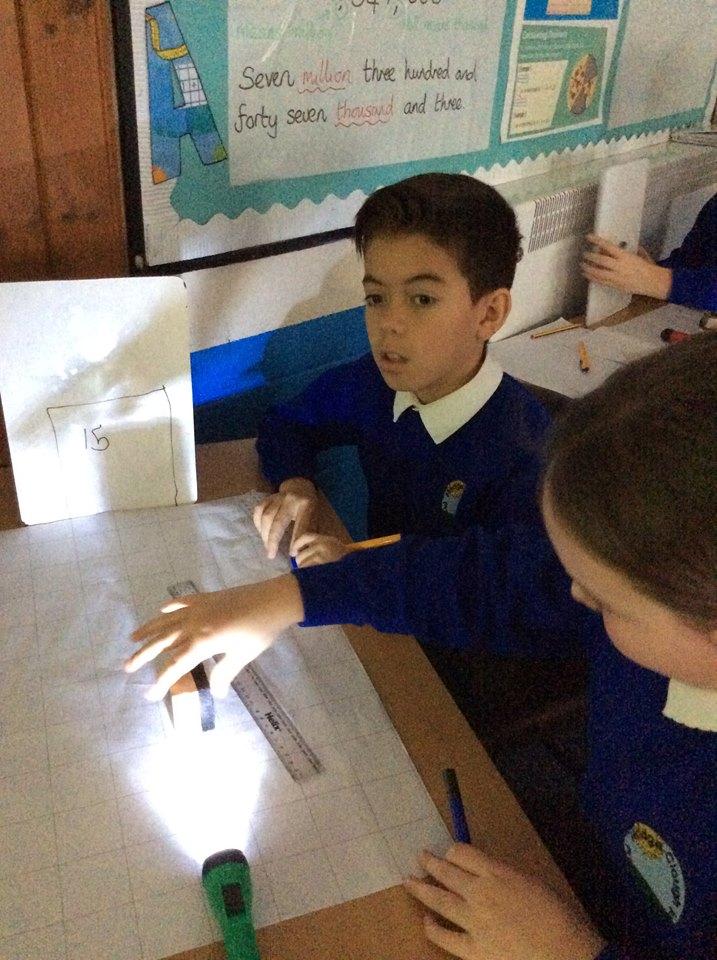

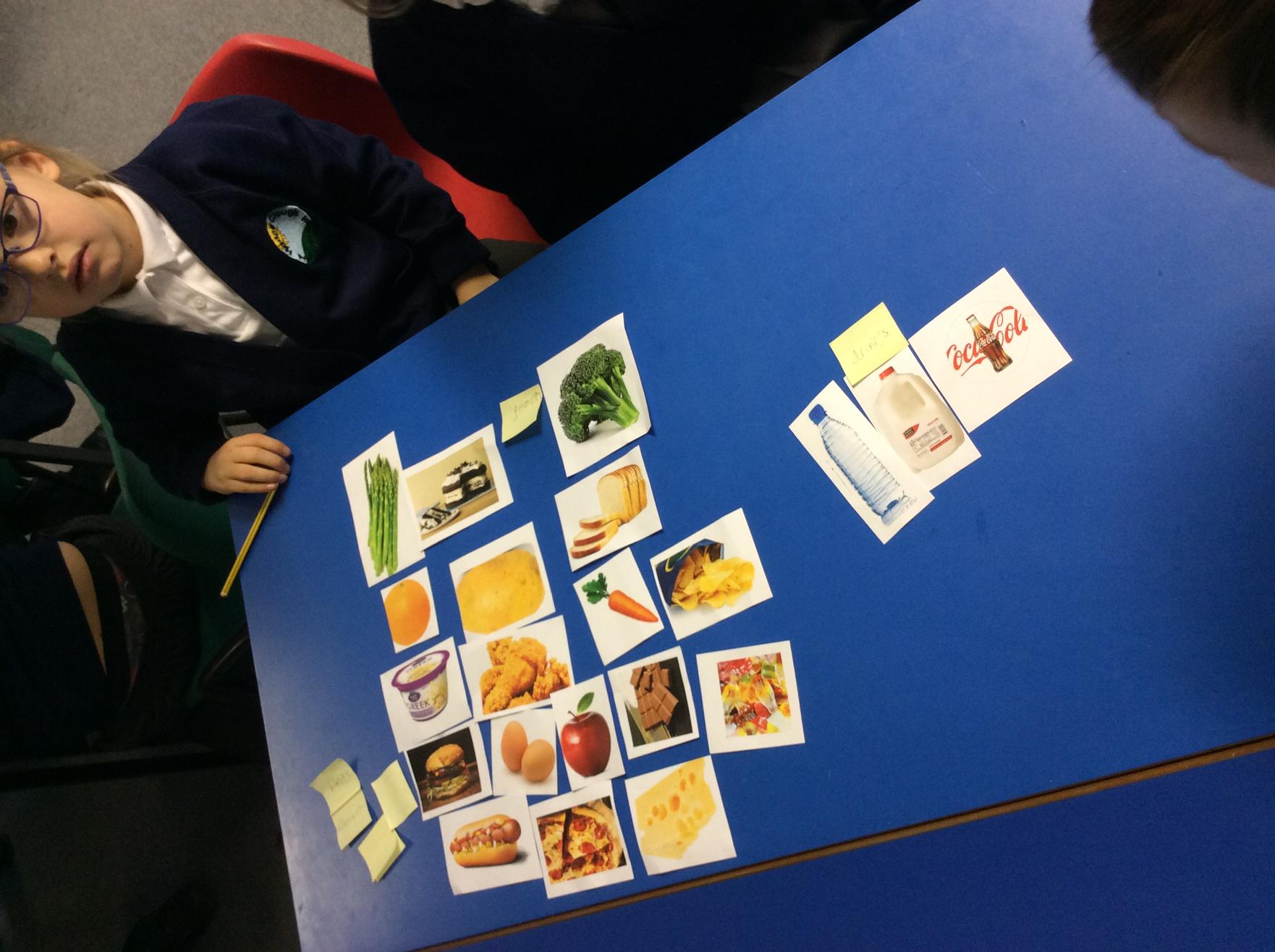
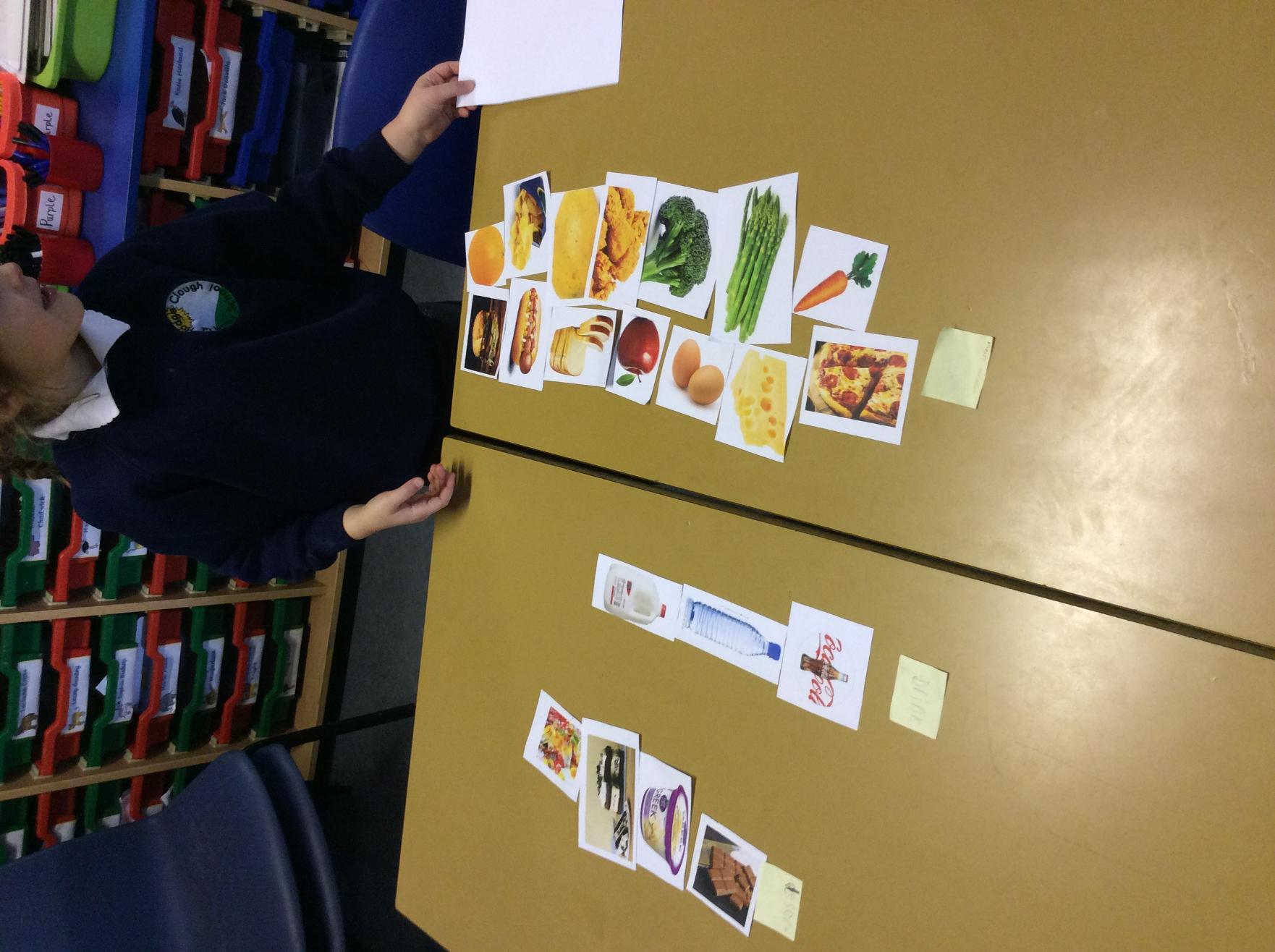
In Year 1 and 2
During years 1 and 2, pupils are taught to use the following practical scientific methods, processes and skills through the teaching of the programme of study content:
- asking simple questions and recognising that they can be answered in different ways
- observing closely, using simple equipment
- performing simple tests
- identifying and classifying
- using their observations and ideas to suggest answers to questions
- gathering and recording data to help in answering questions
In Year 3 & 4
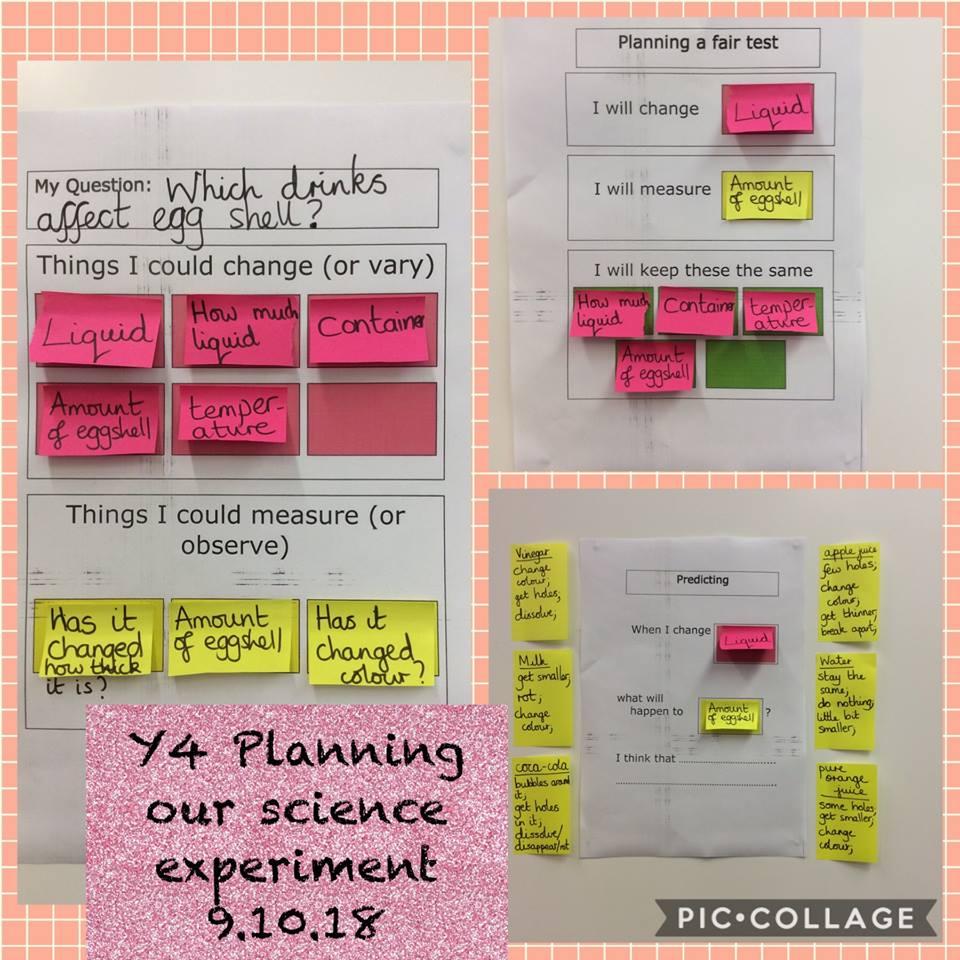
During years 3 and 4, pupils should be taught to use the following practical scientific methods, processes and skills through the teaching of the programme of study content:
- asking relevant questions and using different types of scientific enquiries to answer them
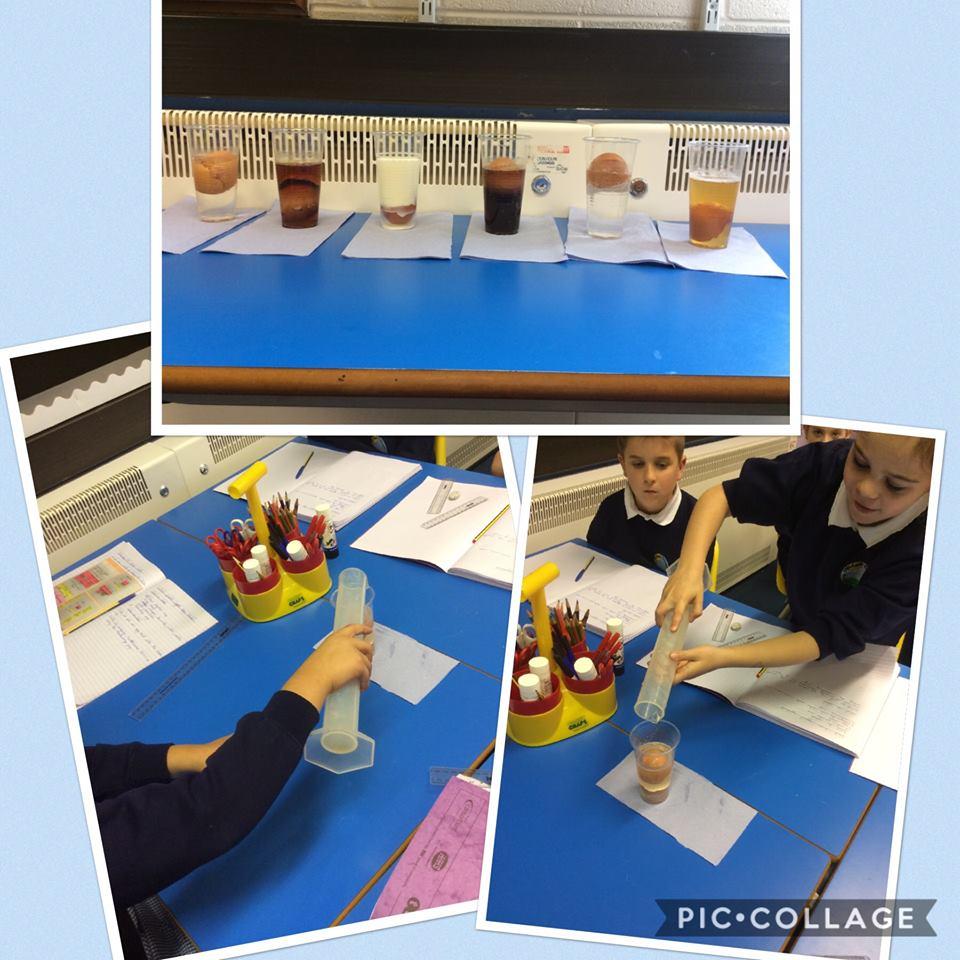
- setting up simple practical enquiries, comparative and fair tests
- making systematic and careful observations and, where appropriate, taking accurate measurements using standard units, using a range of equipment, including thermometers and data loggers
- gathering, recording, classifying and presenting data in a variety of ways to help in answering questions
- recording findings using simple scientific language, drawings, labelled diagrams, keys, bar charts, and tables
- reporting on findings from enquiries, including oral and written explanations, displays or presentations of results and conclusions
- using results to draw simple conclusions, make predictions for new values, suggest improvements and raise further questions
- identifying differences, similarities or changes related to simple scientific ideas and processes
- using straightforward scientific evidence to answer questions or to support their findings.
In Year 5 & 6
During years 5 and 6, pupils should be taught to use the following practical scientific methods, processes and skills through the teaching of the programme of study content:
- planning different types of scientific enquiries to answer questions, including recognising and controlling variables where necessary
- taking measurements, using a range of scientific equipment, with increasing accuracy and precision, taking repeat readings when appropriate
- recording data and results of increasing complexity using scientific diagrams and labels, classification keys, tables, scatter graphs, bar and line graphs
- using test results to make predictions to set up further comparative and fair tests
- reporting and presenting findings from enquiries, including conclusions, causal relationships and explanations of and a degree of trust in results, in oral and written forms such as displays and other presentations
- identifying scientific evidence that has been used to support or refute ideas or arguments